
Athletic Crew Socks for Men: Why the Right Pair Changes Everything
Most guys spend serious money on running shoes, gym gear, and workout clothes, then grab whatever socks are on top of the pile. That one overlooked choice is quietly hurting your performance and your comfort. Let’s fix that.
Ask any serious runner, lifter, or weekend warrior what gear matters most, and they’ll talk your ear off about shoes. Rarely do socks come up. But the truth is, athletic crew socks for men are doing some of the heaviest lifting of any piece of kit you own. They cushion every landing. They wick sweat before blisters form. They hold your foot in place so your shoes can actually do their job.
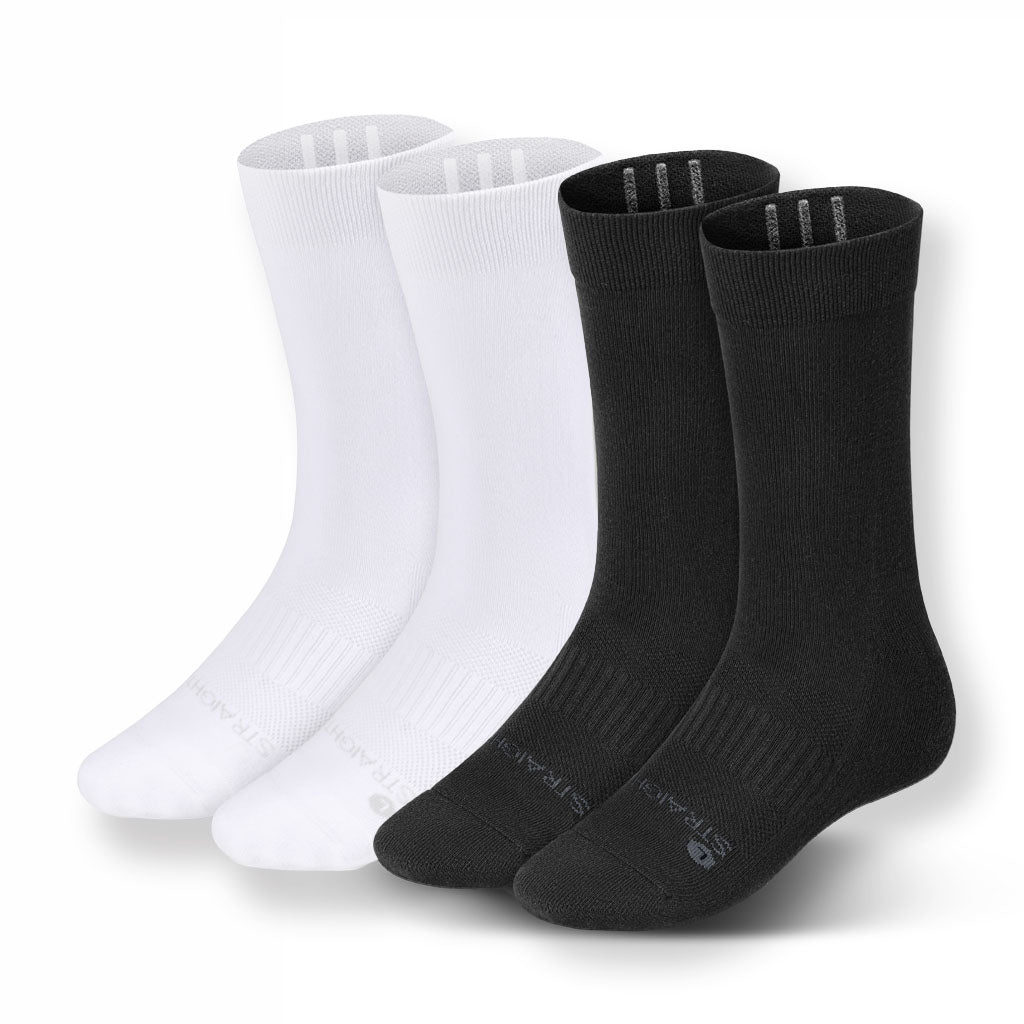
Athletic crew socks for men with a good fit take this even further. A proper fit means no slipping, no bunching, and no distractions mid-workout. The sock hugs your foot and leg just right, providing targeted compression and stability where you need it most. This improves blood flow, reduces fatigue, and helps you stay locked in during every run, lift, or training session. When your socks fit perfectly, your entire movement feels more controlled and efficient, something you’ll notice immediately once you upgrade.
What Actually Makes a Great Athletic Sock?
Walk into any sporting goods store and you'll see a wall of socks with bold claims: "maximum cushion," "ultra-breathable," "anti-blister." Most of it is marketing. But a few key features genuinely matter -and once you know what they are, you'll spot quality instantly.
Moisture Management Comes First
Your feet have more sweat glands per square inch than almost anywhere else on your body. During a solid workout, they can shed nearly a pint of moisture. Socks that trap that moisture create the perfect conditions for blisters, odor, and fungal issues. The best athletic socks for men pull moisture away from your skin and push it outward where it can evaporate. Look for performance polyester blends or combed cotton specifically built for wicking -not just regular cotton that sits damp against your foot.
Cushioning Where You Need It
Not all cushioning is equal. A sock padded from toe to cuff feels spongy and loses responsiveness. The smartest designs place targeted cushioning under the heel and ball of the foot -the two zones that take the most impact -while keeping the rest of the sock thinner for breathability. That targeted approach is what Straight Up Socks engineers into every athletic crew style, rather than just piling on padding everywhere.
Arch Support Matters More Than You Think
Your shoe's arch support only works properly if your sock isn't bunching beneath it. A true compression arch band holds the fabric firmly against your midfoot, reducing internal sock movement. Less movement means less friction. Less friction means fewer blisters -and your feet don't fatigue as quickly because the soft tissue in your arch stays supported throughout your session.
Crew Length: The Practical Choice for Most Men
The crew cut -hitting roughly mid-calf -has been the gold standard in athletic socks for decades, and for good reason. It protects the Achilles tendon from rubbing against shoe collars. It provides enough coverage without overheating. And it doesn't slide down mid-rep or mid-run the way ankle and no-show styles often do. If you're doing any gym work, trail running, field sports, or even long walks, a crew cut athletic sock is almost always the right call.
What to Look for in the Fabric
Cotton gets a bad reputation in athletic circles, but it isn't the enemy -the problem is 100% cotton, which holds moisture against the skin rather than moving it outward. The best athletic socks for men typically blend performance polyester or nylon with a small amount of elastane for stretch recovery, plus enough natural fiber to keep things comfortable against skin during long sessions. Reinforced heels and toes are another mark of quality -these high-wear zones break down faster than anywhere else, so extra-dense knitting there extends the life of your sock considerably.
Why Fit Is Non-Negotiable
A sock that's even slightly too large will fold and bunch inside your shoe -that's a blister waiting to happen. Too small and the elastic cuts into your leg and restricts circulation. Straight Up Socks offers a proper size range because one-size-fits-all is a lie that costs your feet dearly. A well-fitted athletic sock should feel snug at the arch, secure at the heel, and never pinch at the cuff. If you're pulling your socks up every 10 minutes, the fit is wrong.
How to Care for Athletic Socks So They Last
Quality athletic socks can go hundreds of washes if you treat them right. Turn them inside out before washing to protect the outer fibers. Use cold water to preserve elasticity. Skip fabric softener -it coats performance fibers and kills their moisture-wicking ability. Never use a hot dryer cycle; hang dry or tumble on low. These simple habits add months to your socks' useful life.
FAQs
How often should I replace my athletic crew socks?
Replace them every 6–12 months with regular use, or sooner if cushioning feels flat, elastic loses grip, or thin spots appear at the heel.
Are crew socks better than ankle socks for the gym?
Crew socks protect the Achilles and lower calf from shoe friction, making them the better choice for most gym workouts including squats, deadlifts, and box jumps.
What fabric is best for athletic socks?
Polyester-cotton blends with elastane offer the best combination of moisture wicking, durability, and stretch recovery for most athletic activities.
Do athletic socks actually prevent blisters?
Yes. Moisture-wicking fabric reduces friction, arch bands prevent internal sock movement, and proper fit eliminates bunching -the three main blister causes.
Can I wear athletic crew socks for both running and the gym?
Absolutely. A quality athletic crew sock with targeted cushioning and arch support works well for both without compromising on either activity.